Your website is often the first thing a customer sees before they ever walk into your store or pick up the phone. In just a few seconds, visitors decide whether your brand feels trustworthy, modern, and worth their time. That's why staying updated with design trends isn't just a creative choice it's a business decision.
As we move through 2026, web design is evolving fast, blending artificial intelligence with human warmth, and bold creativity with real performance. Whether you run a startup or an established brand, understanding these shifts will help you make smarter decisions when planning your next website or redesign. If you're exploring these ideas with a Web Design Company in India, here's what should be on your radar this year.
1. AI-Powered Personalization
Websites are no longer static pages; they're becoming smart, responsive experiences. AI now helps tailor content, product recommendations, and even layouts based on how a visitor behaves on the page.
- Chatbots that hold real conversations and complete tasks, not just answer FAQs
- Personalized homepage content based on location, browsing history, or preferences
- Smarter search bars that understand intent, not just keywords
For businesses, this means visitors get a more relevant experience, which usually leads to longer visits and better conversions.
2. Bold Typography Takes the Spotlight
Text isn't just for reading anymore; it's becoming a design element in itself. Large, expressive headlines, custom fonts, and scroll-based text animations are replacing plain, safe typography choices.
- Oversized headlines that grab attention instantly
- Variable fonts that adjust weight and style based on scroll or screen size
- Typography used as the main visual, reducing reliance on heavy stock images
This trend also improves page speed, since well-designed text loads faster than large graphics.
3. Warmth Over Sterile Minimalism
After years of flat, ultra-clean design, brands are bringing back texture, imperfection, and personality. Grain overlays, soft gradients, and organic shapes are helping websites feel more human in an increasingly automated digital world.
- Earthy, muted color palettes alongside occasional bursts of bright, energetic tones
- Hand-drawn elements and subtle imperfections that add character
- Layouts that feel natural rather than rigid and boxed-in
This shift matters because customers increasingly want to feel a genuine connection with the brands they choose to trust.
4. Immersive 3D and Interactive Elements
Static images are giving way to interactive previews. Thanks to lighter web technologies, even smaller businesses can now add elements once reserved for big global brands.
- 360-degree product views for e-commerce sites
- Scroll-triggered animations that reveal content as users move down the page
- Subtle micro-interactions, like buttons that respond visually when clicked or hovered
Used correctly, these features boost engagement without slowing the site down.
5. Mobile-First Is Non-Negotiable
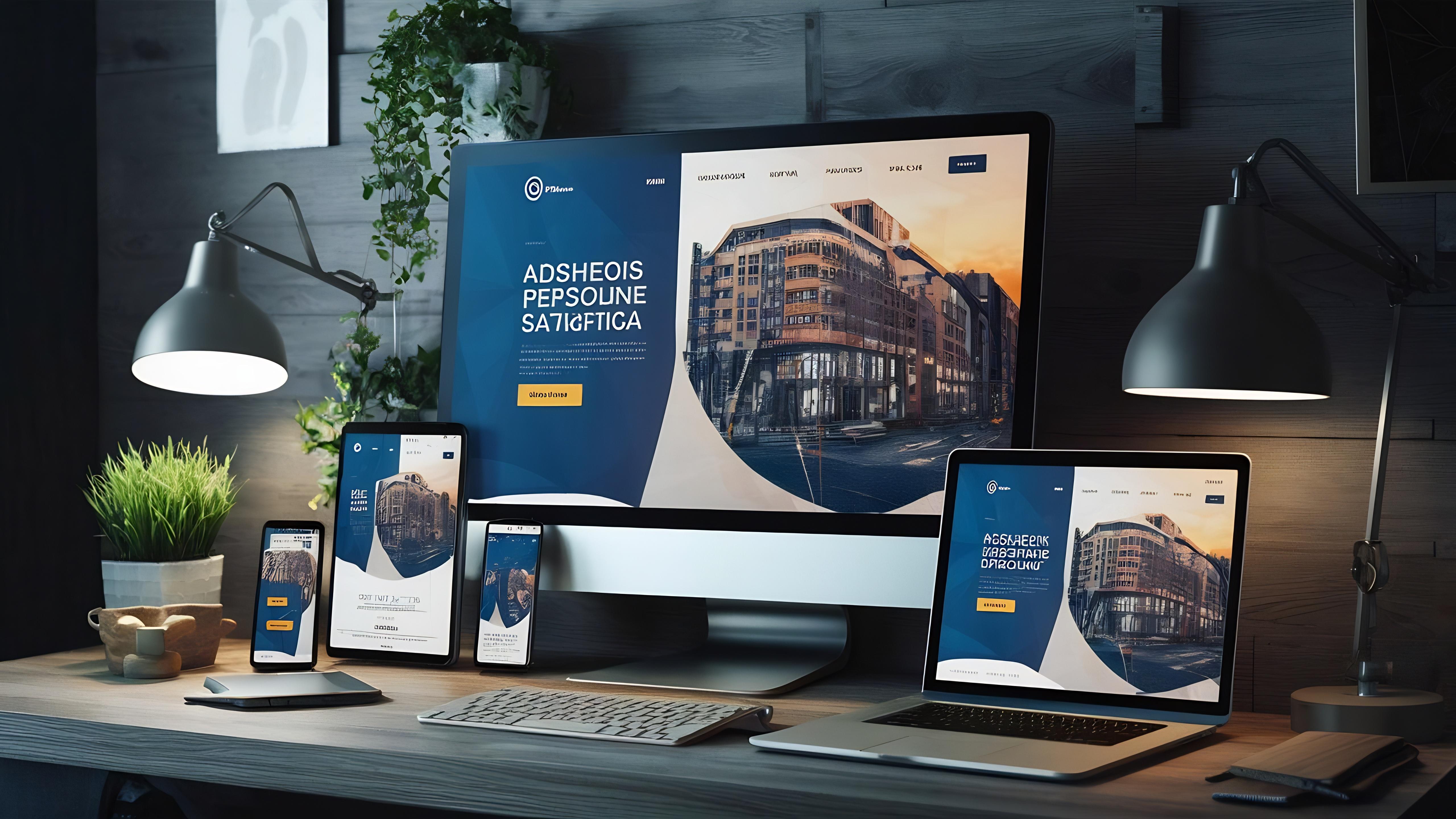
With most web traffic now coming from smartphones, designing for mobile first rather than adapting a desktop layout later has become the standard, not the exception.
- Fast-loading pages optimized for smaller screens
- Thumb-friendly navigation and buttons
- Layouts that reorganize smartly instead of just shrinking
A poor mobile experience can send visitors straight to a competitor, so this trend directly affects business outcomes.
6. Accessibility and Sustainable Design
Inclusive design is no longer optional. More businesses are building websites that everyone can use comfortably, while also reducing the environmental impact of their digital presence.
- High-contrast color schemes and screen-reader-friendly layouts
- Keyboard-only navigation support
- Lightweight code and optimized images to reduce loading time and server load
This isn't just ethical; it also improves SEO and widens your potential audience.
7. Purposeful, Function-Driven Simplicity
Interestingly, alongside bold trends, many brands are also embracing calm, focused layouts with generous white space. The goal is clarity, helping visitors find what they need without distraction.
- Fewer design elements, but each one intentional
- Clear calls to action guiding users toward a specific goal
- Subtle animation used to support usability, not just decoration
This balance between creativity and clarity is what separates a trendy website from a genuinely effective one.
Design trends will always keep changing, but the goal behind them stays the same: creating websites that build trust, feel human, and perform well for real users. Businesses that partner with an experienced Web Design Company in India are often better positioned to blend these trends thoughtfully, rather than chasing every new idea just because it's popular.
A well-designed website in 2026 isn't about following every trend blindly; it's about choosing the ones that genuinely reflect your brand and serve your customers better. Working with a skilled Web Design Company in India can help you make these decisions with clarity, keeping both creativity and performance in balance. Similarly, a thoughtful web design company in India can help translate these ideas into a site that feels current without losing its core identity.
Frequently Asked Questions (FAQs)
1. Why do web design trends matter for my business? Design trends reflect how user expectations are evolving. Following relevant trends helps your website feel current, trustworthy, and easy to use, which can directly affect engagement and conversions.
2. Do I need to adopt every trend mentioned here? No. Not every trend suits every industry or brand. It's better to choose trends that align with your business goals and audience rather than following all of them at once.
3. Will these new design trends affect my website's loading speed? Not necessarily. Many 2026 trends, like lightweight typography-driven design and optimized 3D elements, are actually built with performance and speed in mind.
4. How often should a business redesign its website? There's no fixed rule, but reviewing your website every 2–3 years or when trends and user expectations shift significantly is generally a good practice.
5. Is mobile-first design really that important? Yes. With a majority of web traffic now coming from mobile devices, a mobile-first approach directly impacts user experience, search rankings, and overall business performance.