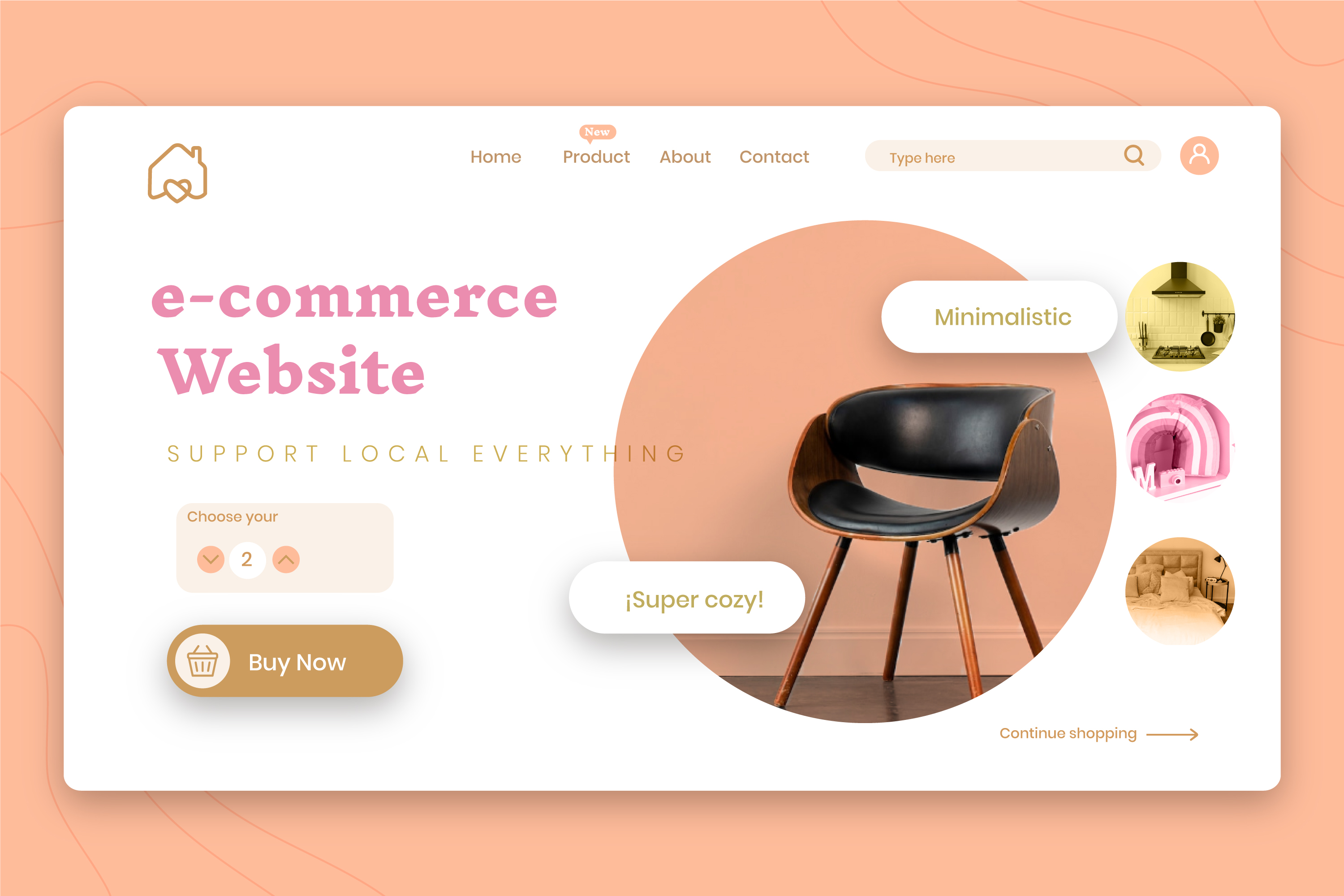
Running an online store today is about much more than simply listing products and waiting for orders to come in. The design of your e-commerce website directly influences whether visitors trust your brand, stay on your site, and ultimately complete a purchase. This is why so many growing businesses turn to a professional Web Design Company in India to rebuild or refine their online stores. A well-thought-out design doesn't just look attractive; it actively removes barriers between browsing and buying. Understanding how design impacts revenue is the first step, and knowing what to look for when working with a Web Design Company in India is the next.
Why Design Directly Impacts Online Sales
Every element on an e-commerce website, from layout to colour choices to button placement, influences how a visitor behaves. Good design builds trust and confidence, while poor design creates doubt and hesitation.
When customers feel unsure about a website, they're far less likely to enter their payment details. On the other hand, a clean, professional, and intuitive design reassures shoppers that they're in the right place to make a purchase.
Key Design Elements That Drive Revenue Growth
1. Simple and Intuitive Navigation
Customers should be able to find what they're looking for within a few clicks. Complicated menus or confusing categories often lead to frustration and abandoned carts. Effective navigation includes:
Clear product categories
A visible and functional search bar
Logical menu structures
Easy access to cart and checkout
2. Fast Loading Speed
Speed is critical for e-commerce websites. Slow-loading product pages can cause potential customers to leave before they even see what you're offering. Optimizing images, using reliable hosting, and minimizing unnecessary scripts all contribute to a smoother shopping experience.
3. Mobile-Friendly Design
A large percentage of online shopping now happens on mobile devices. If your website isn't fully responsive, you risk losing a significant portion of potential customers. Mobile-friendly design should include:
Easy-to-tap buttons
Readable text without zooming
Simplified checkout steps for smaller screens
4. High-Quality Product Presentation
Since customers can't physically touch or examine products online, visuals play a huge role in the decision-making process. This includes:
Clear, high-resolution product images
Multiple angles or zoom options
Well-written product descriptions
Honest and detailed specifications
5. Trust-Building Elements
Trust signals reassure customers that their money and personal information are safe. These may include:
Secure payment gateways
SSL certificates
Clear return and refund policies
Visible customer reviews and ratings
The Role of Checkout Experience in Conversions
Simplified Checkout Process
A complicated or lengthy checkout process is one of the biggest reasons for cart abandonment. Reducing friction here can significantly increase conversions. Consider:
Allowing guest checkout
Minimizing the number of steps
Offering multiple payment options
Displaying progress indicators during checkout
Transparent Pricing
Hidden costs that appear only at checkout, such as unexpected shipping fees, often cause customers to abandon their carts. Being upfront about pricing throughout the shopping journey builds trust and reduces last-minute drop-offs.
How Design Supports Long-Term Customer Retention
Good design isn't just about first impressions, it also encourages customers to return. A well-designed website creates a pleasant shopping experience that customers remember, increasing the likelihood of repeat purchases.
Elements that support retention include:
Personalized product recommendations
Easy access to order history
Simple account management
Consistent branding across the site
The Connection Between Design and SEO
E-commerce design also plays a role in search visibility. Search engines favor websites that are fast, mobile-friendly, and easy to navigate. This means good design isn't just about aesthetics, it also helps your store rank better and attract more organic traffic.
Key SEO-friendly design practices include:
Clean URL structures
Proper use of heading tags
Optimized images with alt text
Well-organized site architecture
E-commerce success depends heavily on how well your website is designed, from navigation and speed to checkout and trust signals. Every design decision either encourages a purchase or creates a barrier to one. This is exactly why many online businesses choose to collaborate with a skilled Web Design Company in India to build a store that not only looks professional but also performs efficiently.
If you're aiming to increase conversions and grow your online revenue, investing in thoughtful, user-focused design is one of the smartest steps you can take. Partnering with an experienced Web Design Company in India ensures your e-commerce website is built with both customer experience and business growth in mind.